
Engineering • 2025-09-12
HVAC Design for Red Sea Coastal Humidity
DSCC MEP Engineering Team
How DSCC engineers HVAC systems that survive 90% relative humidity, salt air, and 45°C ambient temperatures across Red Sea hospitality projects.
The Saudi Red Sea and Tabuk coastal corridor present one of the world's most aggressive HVAC environments. Sustained relative humidity above 80%, ambient temperatures peaking at 45°C, and salt-laden marine air conspire to corrode coils, foul ducts, and degrade refrigerant lines within months on a poorly-engineered system.
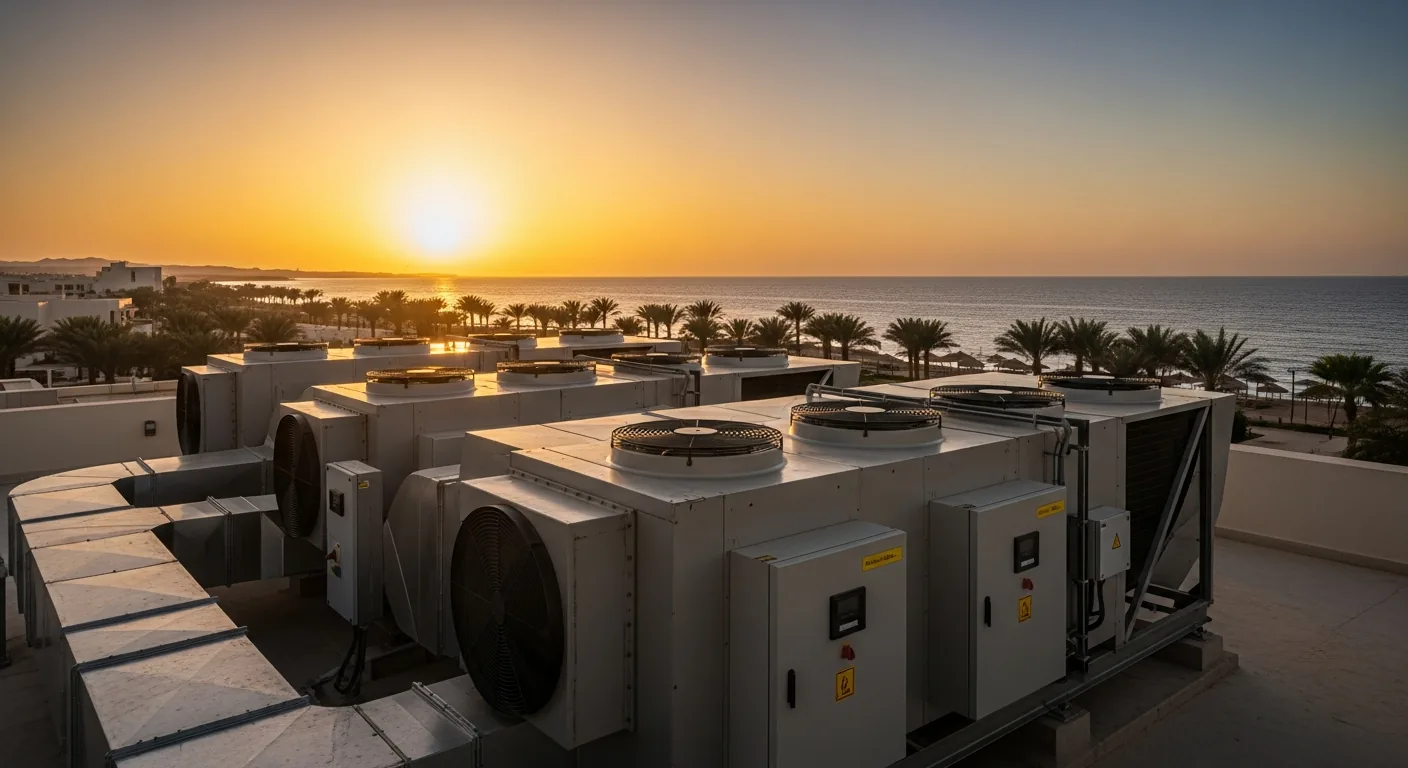
DSCC's coastal HVAC playbook starts with material selection. Every air-handling unit gets coastal-marine epoxy coil coatings, 316L stainless steel cabinet fasteners, and sacrificial zinc anodes on every refrigerant line set. We specify oversized condensate trays with UV sterilization to manage the constant moisture load, and we route fresh-air intakes well above the salt-spray zone.
On the design side, we engineer dedicated outdoor air systems (DOAS) with desiccant-wheel dehumidification rather than relying on a single overworked AHU. This approach decouples latent and sensible cooling, letting us hit 50% interior RH at 23°C while burning 20-30% less energy than a comparable single-coil approach. Energy recovery wheels and run-around coils further reduce the central plant load.
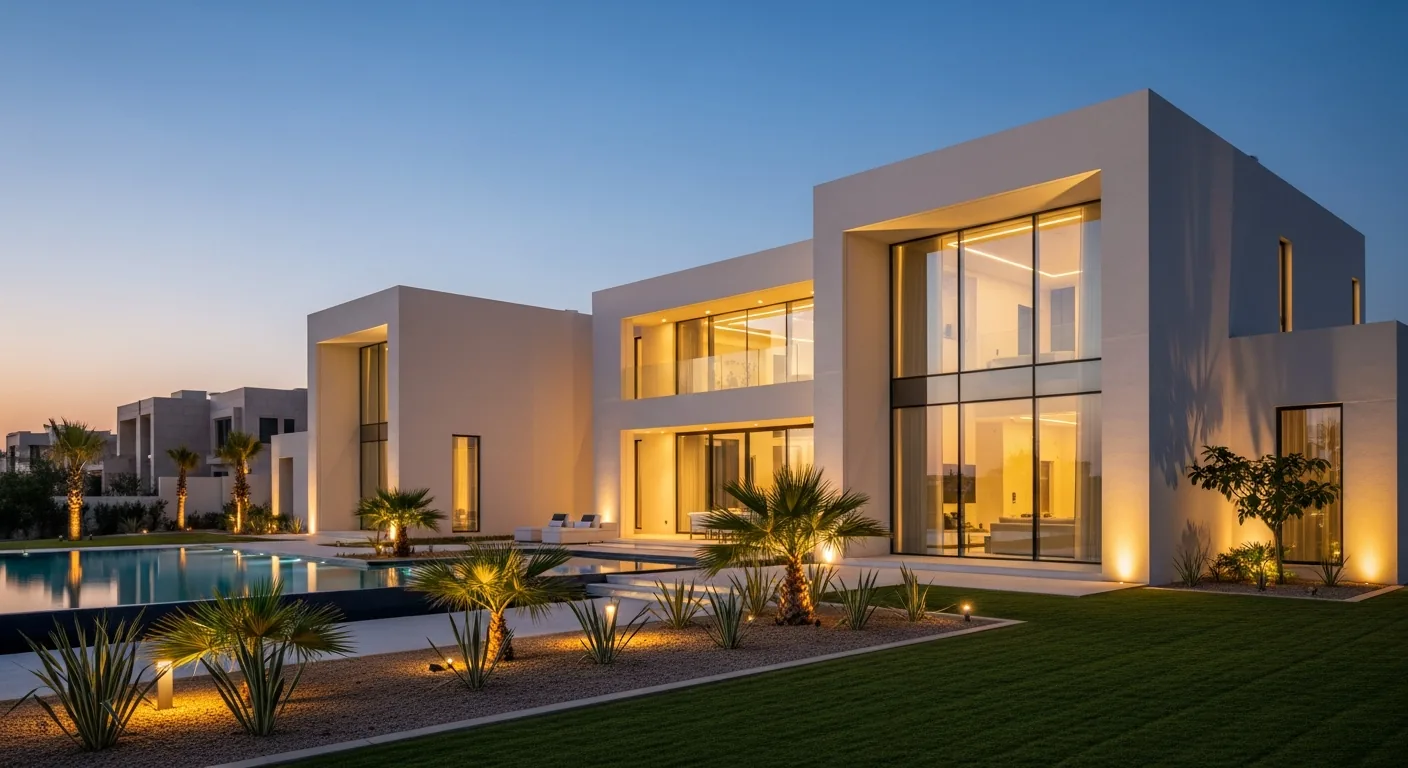
For villa pool houses and overwater pavilions, we add corrosion-monitoring sensors to BMS dashboards so operators see early-warning indicators. Coupled with 12-month coastal maintenance contracts, this engineering discipline is what lets DSCC issue 5-year coastal performance warranties on equipment that competitors will only warranty for 12 months.